
目录

2025年欧洲站开荒全指南:VAT注册、EORI申请、透明计划与品牌备案的实战疑问解答

随着亚马逊欧洲站物流网络的逐步优化,越来越多卖家将目光从北美站转向潜力巨大的欧洲市场。

但涉及VAT注册、EORI号、品牌保护等跨国规则时,往往让新卖家无从下手。

本文将基于最新的2025年政策动向与实操经验,围绕德国/法国/西班牙VAT注册、英国自税与EORI申请、品牌备案与透明计划的抉择、以及泛欧FBA布局中的常见误区做系统讲解,并附带权威参考,助你高效开荒欧洲站,规避运营雷区。


一、VAT注册:德国是起点,第二国到底选法国还是西班牙?

当你启动Pan-EU泛欧计划时,VAT注册至少需覆盖德国与另一个欧盟国家。大多数人选法国,但你可能听说不少卖家偏向西班牙,尤其采用“本地申报”方式(Local VAT filing)。

为什么西班牙VAT使用本地申报多?

  1. 申报方式灵活:西班牙允许更灵活的本地VAT申报,对库存配置灵活的小卖家更友好;
  2. 历史操作惯性:部分老牌卖家在西班牙早已习惯于“自开发票 + 本地申报”,形成了路径依赖;
  3. B2B企业发票需手开:亚马逊系统在西班牙并未完全覆盖所有发票场景,尤其B2B订单经常需要手动处理。

一个误区需要先澄清:西班牙并没有明显“更低的税率”,其标准VAT为21%,与法国的20%相近,操作灵活度而非税负是主要影响因子。
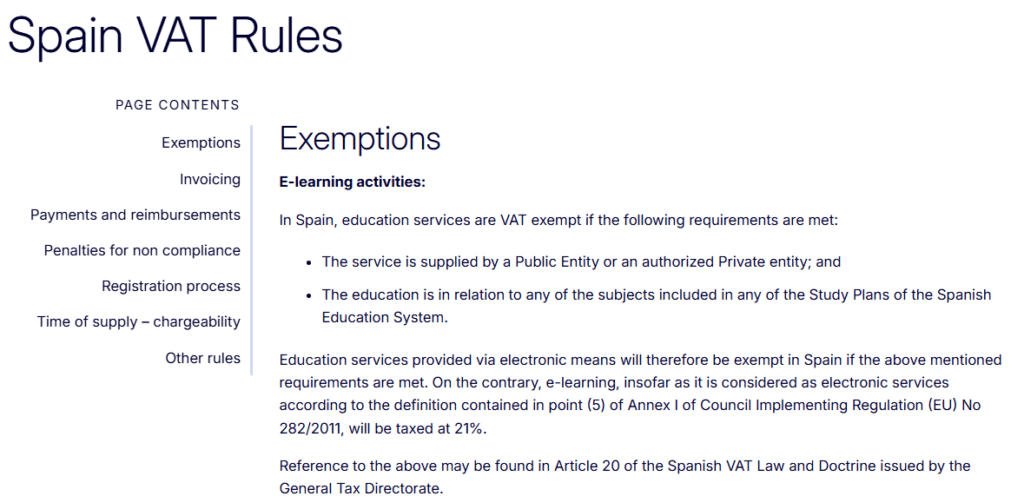
一些参考链接:


二、英国VAT使用“虚拟发货记录”注册,会带来后遗症吗?

一些服务商为了满足英国VAT注册条件(需要实际业务证明),会制造“假发货记录”。

这种做法虽然短期有效,但违反 HMRC 合规要求,存在后续被追责风险。

先看看HMRC 对虚假材料注册 VAT 的立场

  1. 任何误导性材料都属“故意不合规”(deliberate inaccuracy)
    《HMRC 合规手册》明确指出,提供虚假或篡改记录(如伪造发票、修改合同日期等)均构成“故意且隐藏”的行为,一旦查实将受到严重处罚
  2. 处罚力度高
  3. 高风险纳税人将被标记并抽查
    一旦被审核,HMRC 可将卖家列入“高风险”名单,未来可能触发:

✅ 合规建议(避免走入“坑”)

  • 真实发货记录才是合规王道:建议在正式注册前,先通过真实订单或样品发货建立“业务基础”。
  • 若已有 VAT 号,建议迅速“洗白”:提交真实申报、补缴 VAT,并主动向 HMRC 报错(voluntary disclosure),以获取罚金减免。
  • 自检合规流程:定期核查发票、物流与库存记录是否真实、完整,避免被 HMRC 审计时发现隐患。


三、EORI号:英国、欧盟都要单独申请?什么时候用得上?

📌 什么是EORI号?

EORI号(Economic Operator Registration and Identification)是进出口清关必备编号,尤其当你希望:

  • 自主清关;
  • 使用VAT递延机制(Postponed VAT Accounting)时。

📌 英国与欧盟EORI不通用!

  • 若你向英国发货,需要申请英国EORI号(GB开头);
  • 若你向德国/法国/西班牙等欧盟国家发货,需要申请欧盟EORI号(如DE、FR开头)。

📌 哪种情况用得上?

  • 使用自税方式进口;
  • 配置自己的货代或仓库接单;
  • 走FBA海外仓时清关。

📎 申请入口


四、品牌保护:TM+透明计划 vs BG标,你该怎么选?

你可能在美国站注册了TM商标并启用了Transparency透明计划。但进入欧洲后,这一套机制可能需要重新梳理。

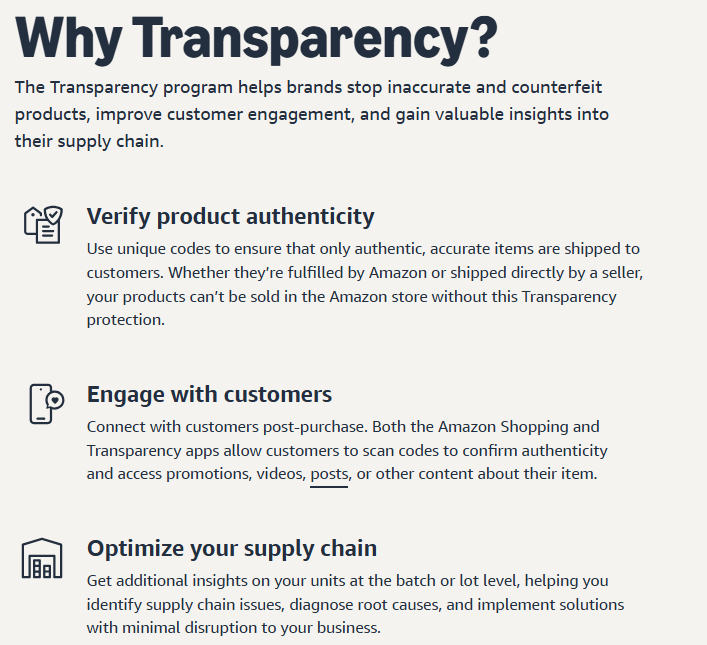
📌 Transparency Program的局限

  • 每个产品贴一次透明码,操作成本高;
  • 无法防护过去的Listing;
  • 欧洲透明计划需重新开通,有地区限制。

📌 BG标(Brand Gated)方案更适合欧洲防跟卖?

是的,BG标是Amazon在某些类目中启用的品牌限制机制,能在你未必拥有TM标的前提下为Listing加上“跟卖门槛”,适合:

  • 快速起盘新品牌;
  • 防止低价跟卖冲击;
  • 不想每次贴标的团队。

⚠️ 注意:BG标需分别在美国、欧洲购买授权,无法互通。也就是说,美国的BG标不能自动保护欧洲站点。
📎 参考链接


五、常见疑问与新手误区整理

问题正确做法易错做法
法国 vs 西班牙 VAT?看发货计划与开票系统仅因“税率低”选西班牙
英国VAT怎么来?有发货记录后正规申请服务商伪造记录注册
是否要EORI?FBA发货、自税都需有只靠物流代理处理清关
品牌备案欧洲要重新做?是的,要欧洲本地商标或BG授权误以为美国站备案即可

结语:2025年进军欧洲,越早合规越有机会

欧洲站的机会不容忽视——多币种、成熟消费市场、泛欧物流覆盖都是优势。但前期准备必须充分,包括:

  • 选择合适的VAT国家组合;
  • 避免不规范的税务操作;
  • 提前布局品牌备案/防跟卖策略。

📌 如果你正准备做欧洲FBA,建议:

  • 提前3个月开始准备税务与EORI;
  • 咨询专业VAT服务商(如Avalara、SimplyVAT);
  • 把品牌备案/透明计划作为中长期投入规划。

相关文章

Mobile App vs Browser Gaming

As the popularity of online gaming continues to surge, players are faced with a crucial choice: should they opt for dedicated mobile apps or stick with browser-based gaming? Understanding the differences can significantly enhance your gaming experience, security, and convenience. This article explores the key aspects of both options, helping you make informed decisions tailored to your preferences.

Table of Contents

Performance and Speed of Mobile Apps vs Browser Games

When it comes to game performance, dedicated mobile apps often outperform browser-based games due to optimized code and local data processing. Apps typically boast faster load times, smoother graphics, and reduced latency, enhancing overall user satisfaction. For example, a recent study indicated that mobile apps deliver a 15-20% faster response time compared to browser games.

Browser games are constrained by the browser’s rendering engine and internet connection quality, which can lead to lag or buffering issues. However, advancements in web technologies like HTML5 and WebAssembly have narrowed this gap, making browser games increasingly competitive in performance.

Accessibility and Availability of Gaming Platforms

Accessibility is a major factor influencing user preference. Mobile apps require downloading from app stores such as Google Play or Apple App Store, which may involve storage considerations and device compatibility checks. Once installed, apps offer quick access via icons, often with personalized notifications.

Browser gaming, on the other hand, only needs a device with a modern web browser and internet connection. This means players can instantly access games without installations, making browser games more convenient for casual or one-time players. Additionally, browser access is platform-independent, supporting Windows, Mac, Linux, and even smart TVs.

User Experience and Interface Design

Design plays a pivotal role in player engagement. Mobile apps are designed specifically for touch interfaces, offering intuitive controls, customizable layouts, and immersive graphics. Many apps incorporate features like haptic feedback and push notifications to enhance interactivity.

Browser games often rely on mouse and keyboard controls, which can limit immersion but provide precise gameplay. Web-based interfaces are generally simpler, focusing on quick access and minimal loading times. However, some advanced browser games now utilize WebGL to deliver high-quality visuals comparable to native apps.

Security and Trustworthiness

Security concerns influence whether players trust mobile apps or browser games. Mobile applications undergo rigorous vetting by app stores, providing a layer of assurance against malware. Additionally, apps can implement biometric authentication and encryption for secure transactions.

Browser games depend on the website’s security protocols, such as HTTPS and SSL certificates. While many reputable sites employ robust security measures, the risk of phishing or malicious scripts remains higher with unverified web-based platforms. Players should ensure they access licensed and regulated sites like PupaLupa Casino platform.

Game Selection and Features in Apps vs Browser Games

Both platforms offer a wide array of games, but the variety and features can differ. Mobile apps often provide exclusive titles, augmented reality features, and in-game tournaments, creating a more engaging environment. They also support features like save states and personalized profiles.

Browser games excel in offering instant access to a vast library without installation hurdles. Many web-based platforms support multiplayer modes, live dealer games, and quick demos. The key difference is that apps tend to have richer multimedia integrations due to better hardware access.

Cost Implications and In-App Purchases

Cost considerations vary significantly. Mobile apps are generally free to download but often include in-app purchases, subscriptions, or ads that generate revenue for developers. These purchases can range from $0.99 to $100+ for premium features.

Browser games are typically free or operate on a pay-per-play model, with some requiring registration or subscription for premium content. They usually do not involve app store fees or download costs, making them more accessible for casual players.

Updates, Maintenance, and User Experience

Apps require periodic updates to fix bugs, improve security, and add new features. These updates are automatically pushed through app stores, ensuring players always access the latest version. However, this can sometimes cause compatibility issues or require additional downloads.

Browser games are maintained centrally; updates happen instantly on the server side without user intervention. This ensures all players see the latest content immediately, reducing version fragmentation, but may depend on consistent internet connections.

Case Study: PupaLupa Casino and Platform Comparison

Feature Mobile App Browser Gaming
Accessibility Requires download and installation Accessible via any browser without installation
Performance Optimized for device hardware, faster response Dependent on browser and internet speed
Security High, vetted via app stores Variable, depends on website security measures
Game Variety Often exclusive titles, immersive features Wide range, instant access, no installation needed
Cost Free download, in-app purchases common Usually free or subscription-based, no downloads

For players seeking a seamless and secure gaming environment, PupaLupa Casino platform offers both options, with a focus on quality and safety. The platform’s mobile app delivers high-performance gameplay, while its web version ensures quick access without sacrificing security or game variety.

Next Steps and Practical Tips for Gamers

  • Assess your device capabilities and internet speed to choose the optimal platform.
  • Download apps only from trusted sources like official app stores or reputable platforms such as PupaLupa Casino platform.
  • Keep your apps updated to benefit from security patches and new features.
  • Use web-based gaming for quick, on-the-go entertainment without storage concerns.
  • Always verify the licensing and security protocols of online gaming sites before playing.

Ultimately, both mobile apps and browser games have unique advantages. Your choice depends on your priorities—whether it’s performance, convenience, or game diversity. Exploring both options can maximize your gaming enjoyment while ensuring safety and fairness in play.