Ever click a Solana NFT link and freeze because your wallet wasn’t ready? Yeah—been there. Phantom makes that moment smoother. It’s a browser extension wallet for Solana that’s designed to be light, fast, and developer-friendly, and it’s become the go-to for many users interacting with web3 apps on Solana.
This guide walks through what Phantom does, how to add it to your browser, key features to know, and practical security habits so you don’t lose funds. If you want the extension now, here’s the easy place to get it: phantom wallet download extension. I’ll assume you’re using Chrome, Edge, Brave, or Firefox on desktop, though many of the same ideas apply on mobile.
What Phantom Actually Is
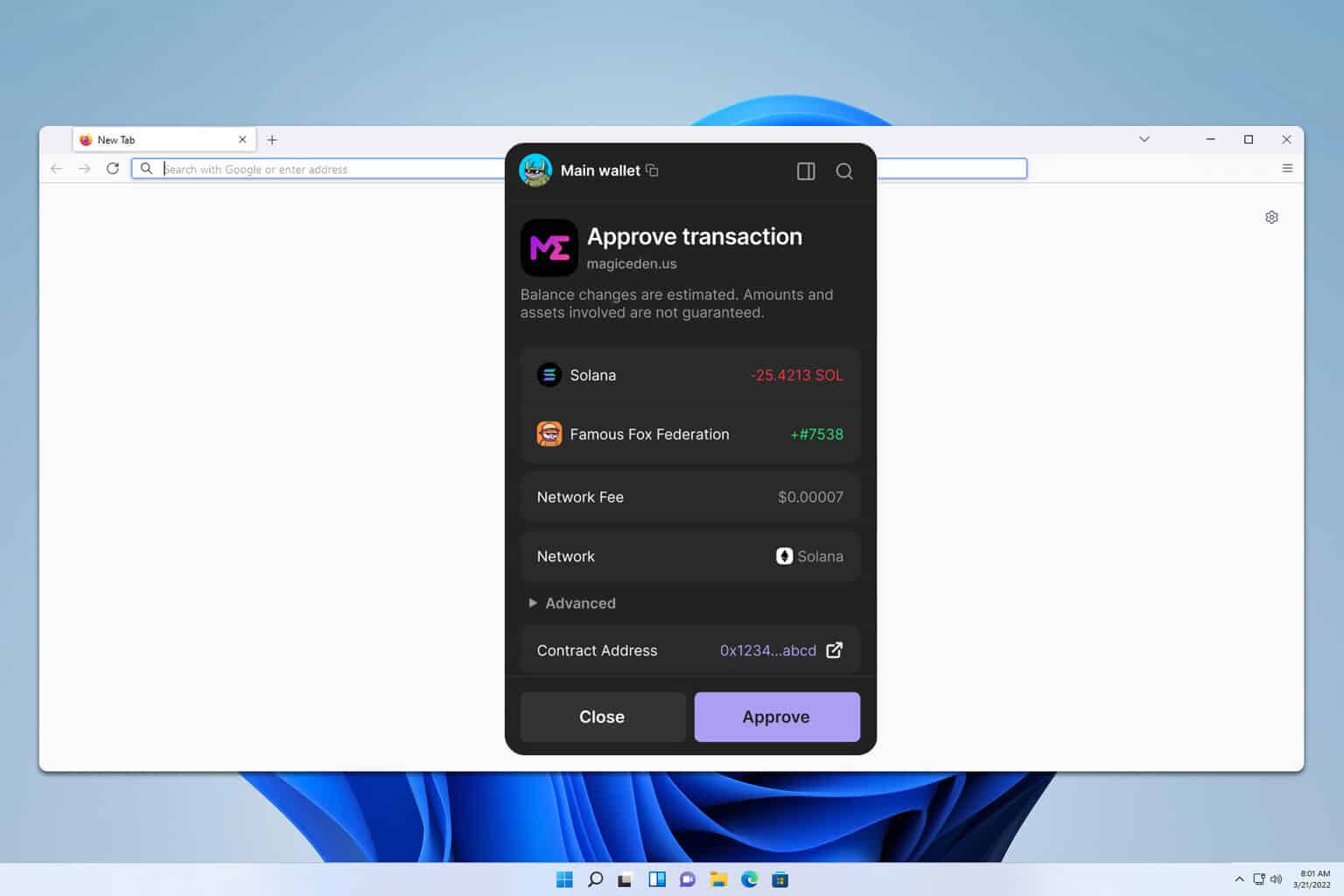
Phantom is a browser extension wallet that stores your Solana private keys locally and gives you a neat UI to manage SOL and SPL tokens, NFTs, and dApp connections. Think of it like a lightweight bank app that plugs right into your browser—only you control the keys. It supports Ledger hardware wallets for enhanced security, token swaps inside the extension, and a simple interface for signing transactions.
People like Phantom because it’s intuitive and fast. Developers like it because it exposes a familiar window.solana API for dApps. That combo pushed Phantom into widespread use across marketplaces, games, and DeFi on Solana.
Installing the Extension (Quick Steps)
1) Click the link above to get the official extension installer for your browser. 2) Add the extension to your browser and pin it so you can find it easily. 3) Create a new wallet or restore an existing one using your seed phrase. 4) Set a strong password for the local app lock. 5) Backup the 12-word seed phrase on paper and store it offline.
Basic setup isn’t complicated, but the backup step is a must. If you lose the seed phrase, you lose access to funds. Period.
Core Features Worth Using
– Built-in token swap: Quick trades between SPL tokens without leaving the extension. It’s not always the cheapest route, but it’s convenient for small moves.
– NFT support: View, send, and manage Solana NFTs. Marketplaces often detect Phantom and let you sign listings or purchases with one click.
– Ledger integration: Connect a Ledger for safe key custody—recommended for larger balances.
– Network toggles: Switch between mainnet-beta, testnet, or devnet for testing or learning.
– dApp connections: Phantom uses permission prompts so you choose which sites can request signatures.
Security Practices (Do These)
Follow a few practical rules and you’ll cut most common risks. First: never paste your seed phrase into a website or store it in cloud notes. Write it down on paper and keep it somewhere safe. Second: verify the extension you’re installing—only install extensions from trusted sources. Third: consider using a hardware wallet for larger holdings; Phantom supports Ledger so you can sign transactions with your device instead of the extension’s keys.
Also, be cautious with approval prompts. When a dApp asks for “Approve all tokens” or unlimited transfer rights, pause and think. Give minimal permissions where possible. And keep your browser and extension updated—many attacks exploit outdated software.
Troubleshooting Common Issues
Locked out? If you still have your seed phrase, you can restore the wallet in any compatible extension. If you don’t, well—there’s no way to recover the account. That’s the harsh truth about non-custodial wallets.
If a dApp won’t detect Phantom, try refreshing the page, checking that the extension is enabled/pinned, or toggling the network (sometimes apps are on testnet/devnet). Conflicts can happen with multiple wallet extensions installed—if you have several wallets, disable the others temporarily to see if that fixes detection issues.
Practical Tips I Use
Keep two wallets: one for daily use and a second “cold” wallet that holds larger balances and only connects when needed. I also set a small daily budget in the browser wallet—makes accidental approvals less painful. And if a site looks off—double-check the URL and don’t sign anything unless you’re sure. Paranoid? Good. You should be, a little.
FAQ
Is Phantom safe to use?
Phantom itself is a well-built extension, but safety depends on you. Use hardware wallets for big balances, guard your seed phrase, and be careful with permissions. The wallet stores keys locally, which is safer than a custodial service, but it also means you alone are responsible.
Can I use Phantom on mobile?
Yes. There’s a mobile app that pairs with the browser extension workflow in some cases, and you can use mobile-specific flows for dApps. For full desktop dApp interaction, the browser extension is still the most convenient route.
How do I add a custom token?
Click “Manage Token List” or “Add Token” in Phantom and paste the token’s mint address. Only add tokens you trust—fake token contracts exist. If you’re unsure, verify the contract address on a block explorer or the project’s official channels.